
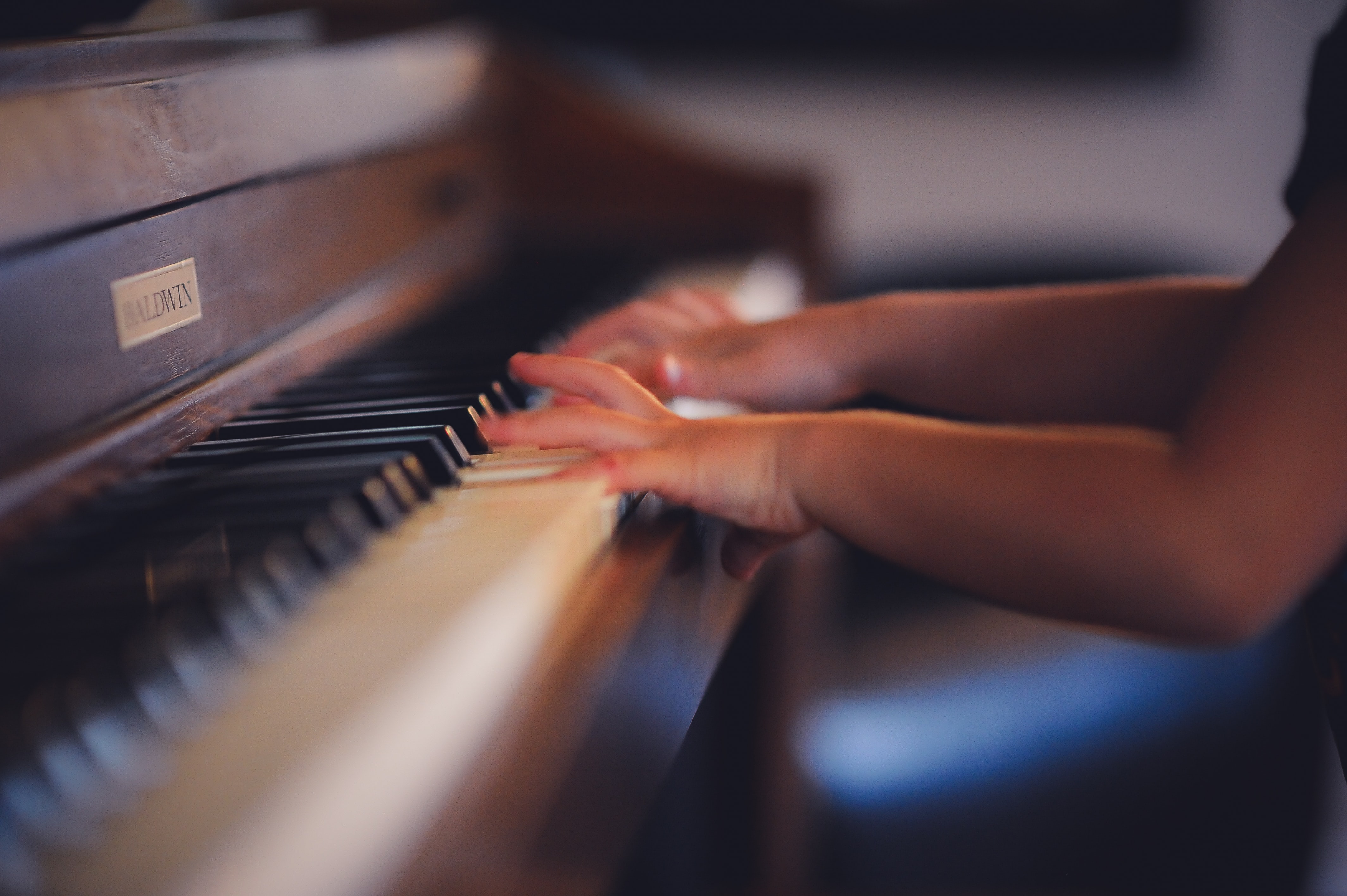
Blog post kindly written by Suzannah Rose.
How to Get Them to Practise: Supporting Young Learners Within the Home
Practising is absolutely essential for learning any instrument, but it comes as no surprise that for young learners, practising regularly can be a challenge.
It is equally challenging for parents of young pianists to encourage and facilitate daily practise. As a piano teacher, I’ve had parents tell me they “can’t get their child to practise—they just won’t do it!” or that practising becomes a daily fight, and they don’t want to force it anymore.
Here, I will share four tips to support and facilitate practicing for young piano learners…
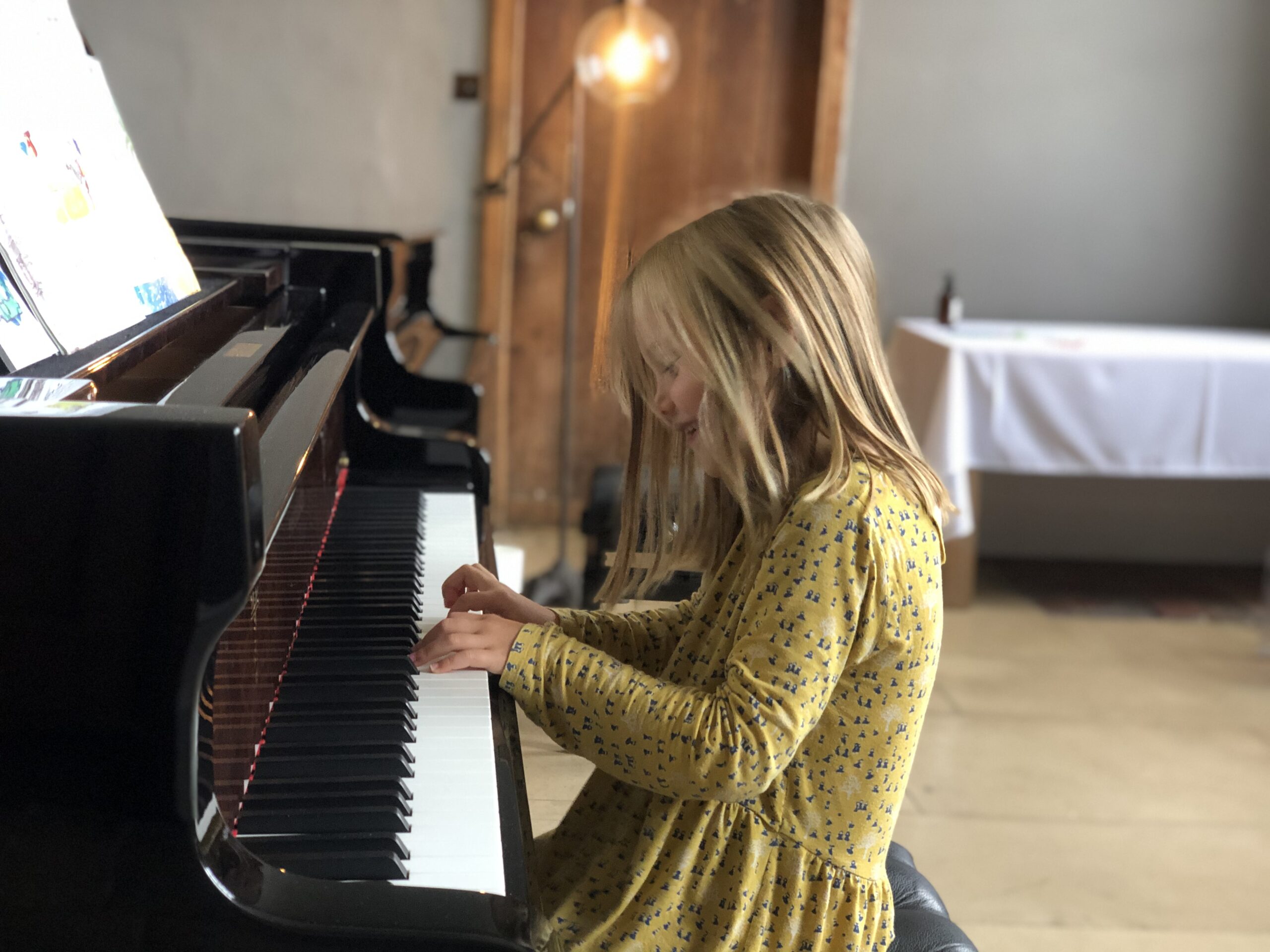
1. Consistency matters more than length
Did your child only practise for 10 minutes today? That’s okay! They practised, and sometimes that is enough. Maintaining the habit is more important than having a long, perfectly productive practise session every day.
Which is more effective: one extra-long practise session (and no practicing the rest of the week), or five short, consistent sessions? In most cases, frequent, consistent practice – even if it’s brief – is far more beneficial.
2. Make practise part of a routine
Children tend to do better when they have consistency in their routine. Try attaching practice to an already existing habit – for example, coming home from school, or having an after-school snack. Ensuring practice happens at the same time each day can help maintain consistency and may reduce pushback.

3. Give the child some control
“Would you like to start with warm-ups, or your song?”
Offering the child small choices throughout the practise session can give them a sense of control. While they may have to practise, they can still choose what to start with, or which piece to work on first. Maybe some days they’d prefer to start with a “fun” piece, or some improvisatory playing – this is a great way to get them to the bench and playing the piano!
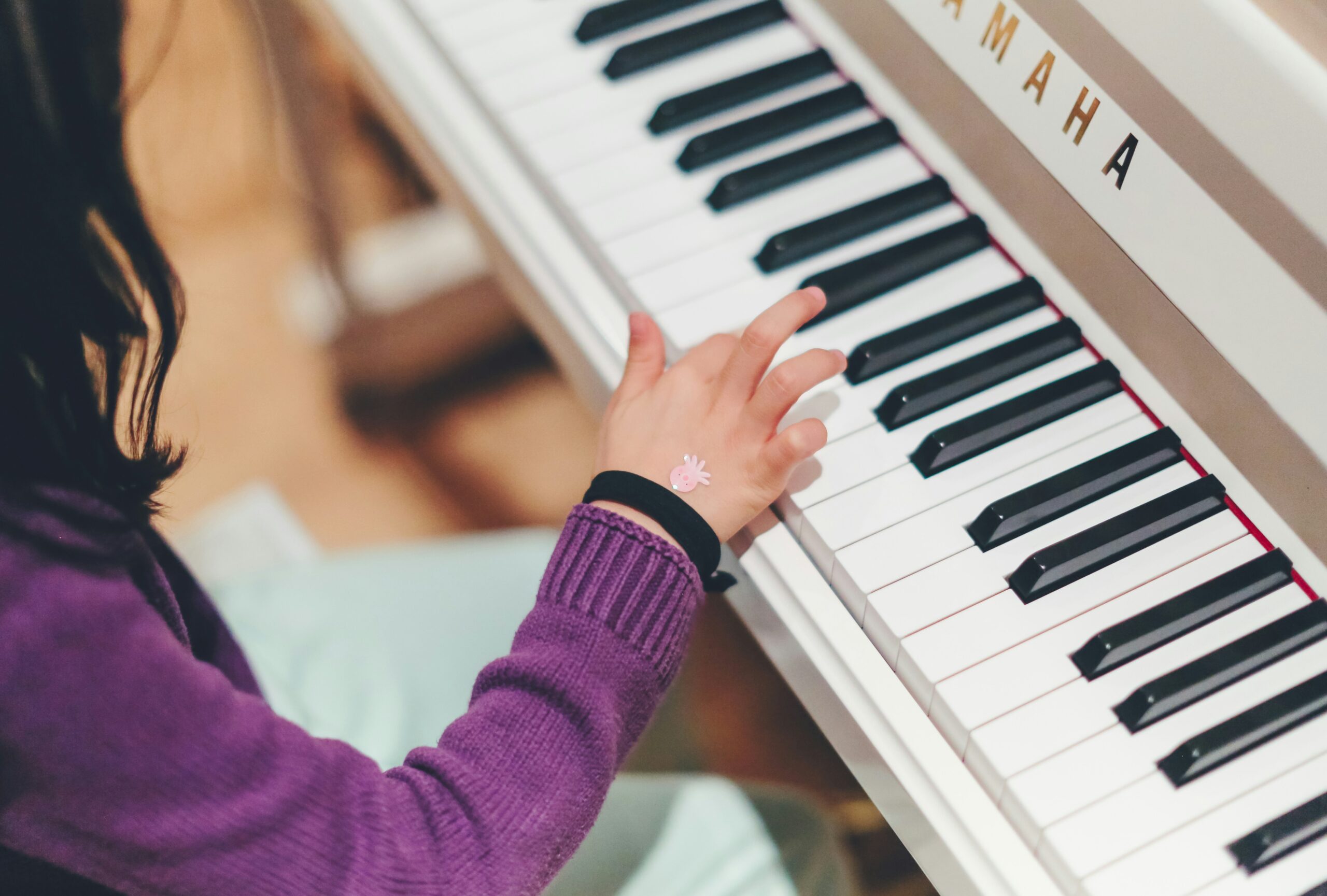
4. Make it engaging
Practicing can be fun!
And you don’t need elaborate games – just small things that bring a spark to the mundane.
My students each have practice charts where their assignments have been written. Every time they complete a part of their practise assignment, they can place a sticker on the space in their chart. You can also use a timer – “let’s see how much we can do in 5 minutes!” When I was a very young child and needed encouragement, my mother occasionally did “chocolate chip” practice with me: for every time I repeated a section of music correctly, she would place a chocolate chip in a bowl near the piano. Once I had played the section 5–10 times correctly, I could eat the chocolate chips. This can also be done with pennies, mini marshmallows, or other small rewards.
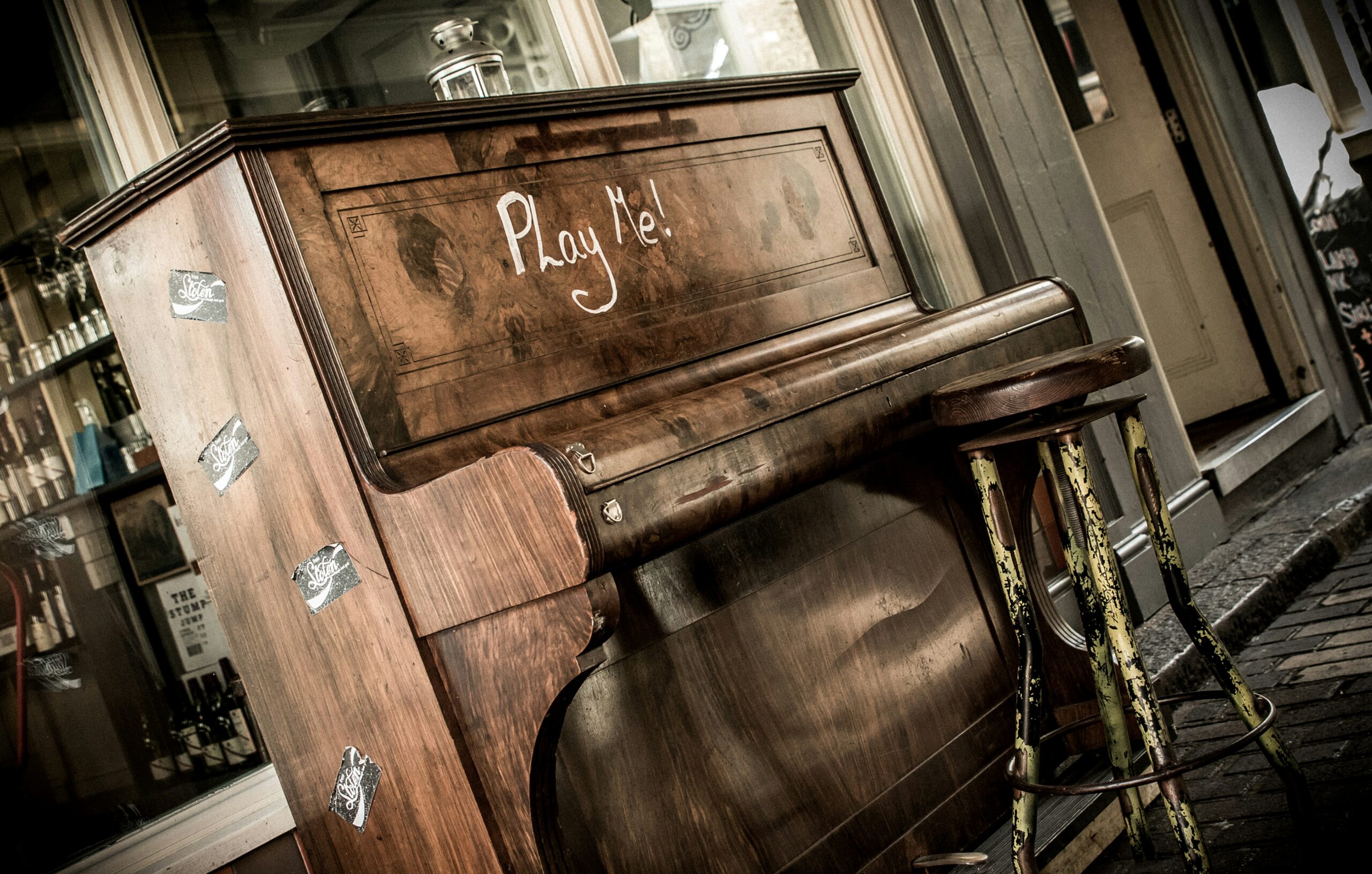
At the end of the day, your goal isn’t to force perfect practice – it’s to help your child build a habit and a love for music. With consistency, encouragement, and a bit of creativity, practice at home can become less of a struggle and more of a natural part of your child’s routine.
Wishing you the best in your journey together!