

5-day Upper Intermediate Summer School “The Practice Toolbox” with Graham Fitch
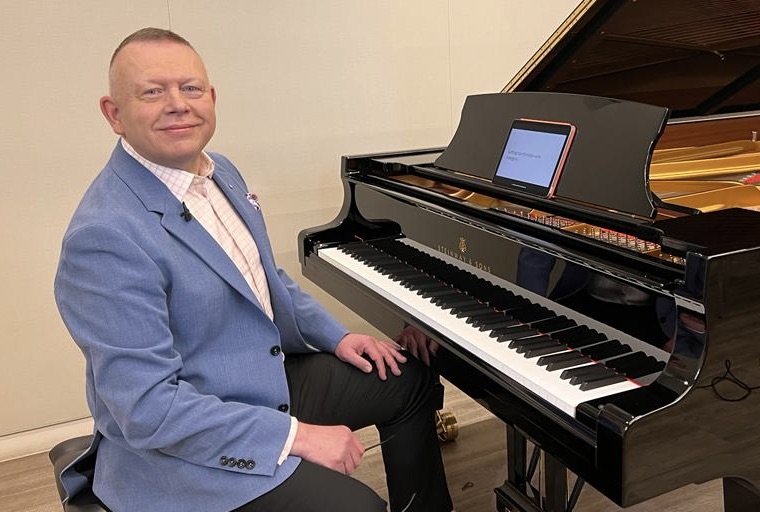
Upper Intermediate players have the fantastic opportunity to study with the wonderfully inspiring Graham Fitch for five whole days on this summer school!
In our ‘practice toolbox’ we develop and sharpen over time a range of specific activities we use during our daily practice – to learn notes deeply and thoroughly, improve weak spots, finesse a piece, and to feel confident in our ability to play in front of others. Many piano lessons focus on musical coaching, but this does not always equip us to know how to practise when we are alone. In this course, we will explore a range of practice tools via workshop demonstrations followed by brief breakout sessions.
This summer piano retreat offers pianists confident grade 6 – approaching 8 the chance to fully emerse themselves in all that Finchcocks has to offer. The course aims to provide a luxury break away, the chance to practise on our 9 grand pianos without any distraction, challenge guests with new techniques and explore their own playing under the expert supervision of Graham Fitch.
Our 5-day summer schools are a well established highlight of the Finchcocks calendar. To ensure a relaxed and comfortable atmosphere, places are open to those who have attended at least one weekend Finchcocks course previously.
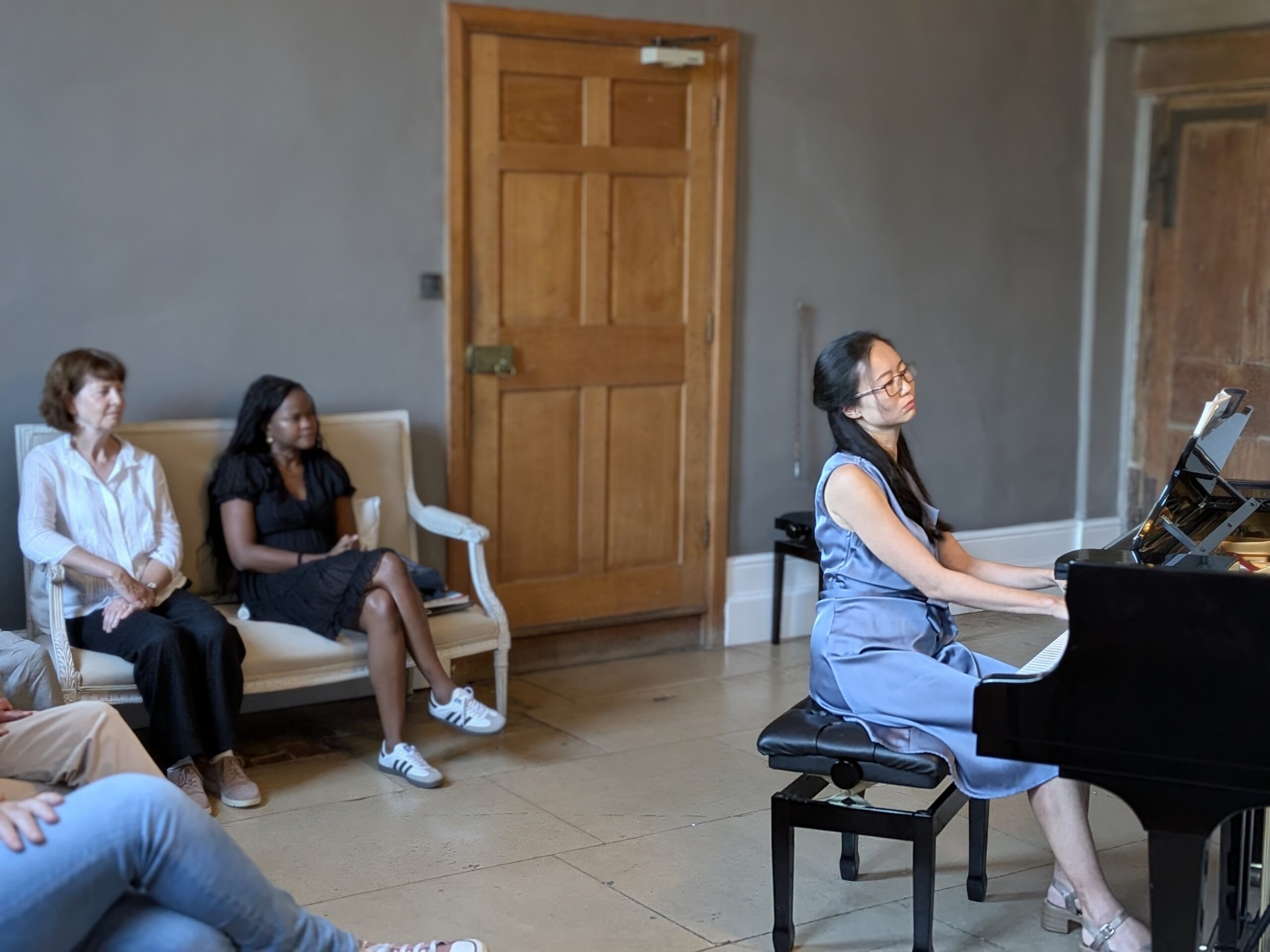
Like our weekend courses, formal tuition takes place in workshops, performance classes and one-to-one lessons.
This year’s interactive workshop focuses will be:
1. The Three S’s: Slowly, Separately, Sections
Think of The Three S’s as the rudiments of effective practice from the beginner to advanced levels. Slow, deliberate practice needs to be enjoyable to be meaningful and used at the right stages of our practice. We will look at how to do this well. “Separately” does not refer only to practising each hand alone but to “separate out” the various strands in a piece of music. “Sections” need to be the right length depending on the learning stage we’re at: we will look at how to divide a piece into bigger sections and how to work at the atomic level in much smaller ones.
2. Q-Spots
Q-Spots (or Quarantine Spots) are those areas in a piece that are either more difficult to play than other areas, or those in which we experience breakdowns or accidents. We will explore a host of “variable practice” techniques that we can apply to ensure progress.
3. Interleaved versus Blocked Practice
Science has shown that we learn best by flitting from one piece to another, one spot to another, rather than spending a block of time on one activity. Counterintuitive until we get the hang of it, interleaving is a much more efficient strategy in the long run, as it avoids that “illusion of mastery” we sense after we have spent a chunk of time practising a piece, only to discover we can barely play it the next day.
4. Managing Repetition
We want the playing to proceed automatically in performance, without the need for conscious thought about which finger goes where. To reach the automatic stage, we need repetition – but too much, or the wrong sort of repetition risks ingraining tension, errors, and lack of engagement. We will explore a variety of ways to manage repetition creatively and constructively, avoiding the pitfalls of “habituation”.
5. Developing Speed
Many pianists choose slow pieces, because they are scared they will not be able to play fast ones at speed. While a rock-solid technique is at the basis of fast playing, how we practise to develop the necessary reflexes is all-important and will make a huge difference in performance. Do we just crank up the metronome with each repetition, or are there more efficient ways to practise?
Preparation: Guests should bring pieces they can comfortably play in the performance classes, together with specific problems from their repertoire or general questions about playing and practising that can be used during the workshops.
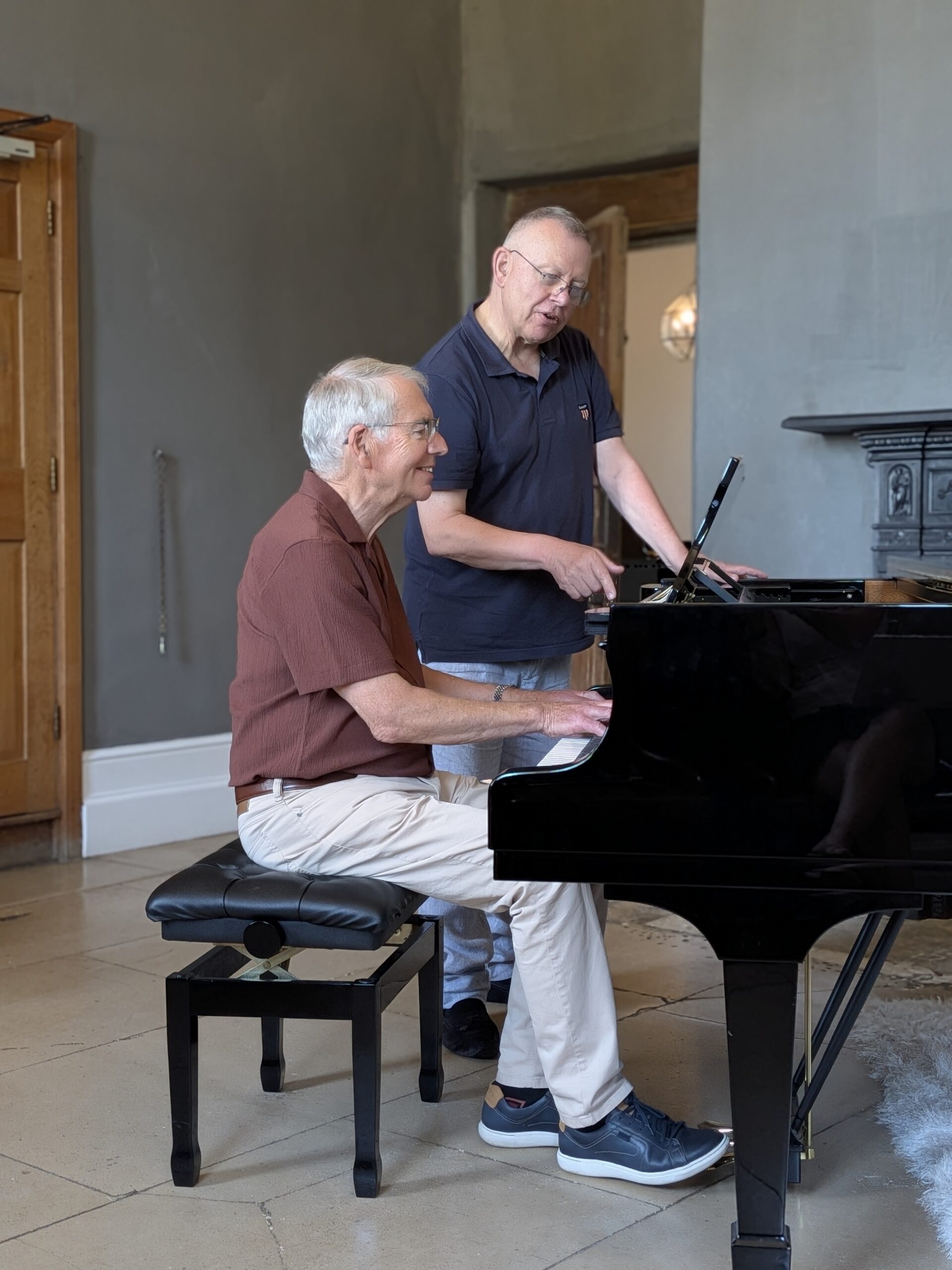
Graham Fitch sits at a Steinway piano in a blue shirt and jeans demonstrating a piece to a student. The student stands at the piano in the background making notes. She has blonde hair, glasses and wears a daark patterned shirt.
As usual, everyone will have access to their own grand piano for the week including our new Steinway, and have plenty of time to practise in our vaulted piano cellar.
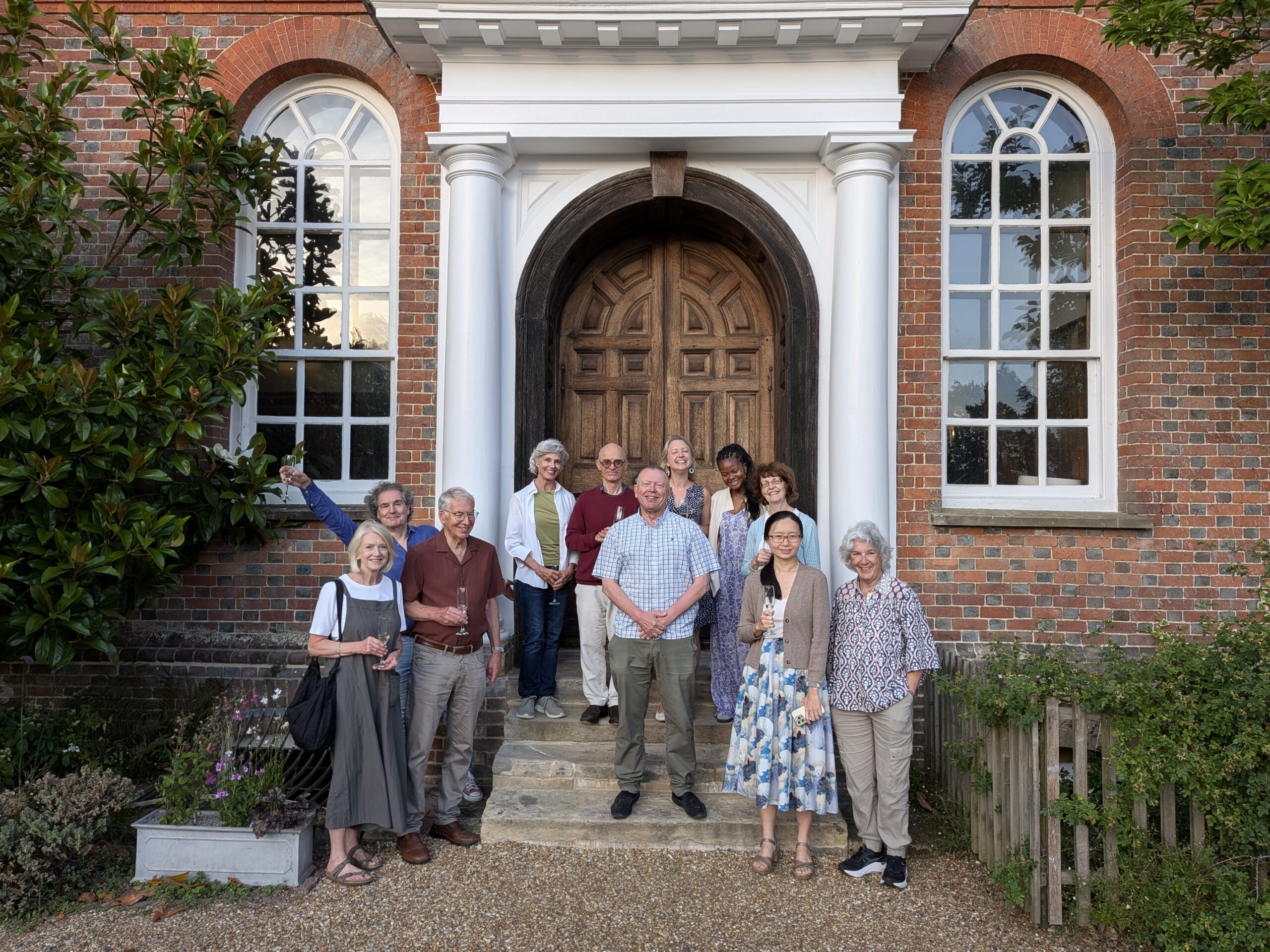
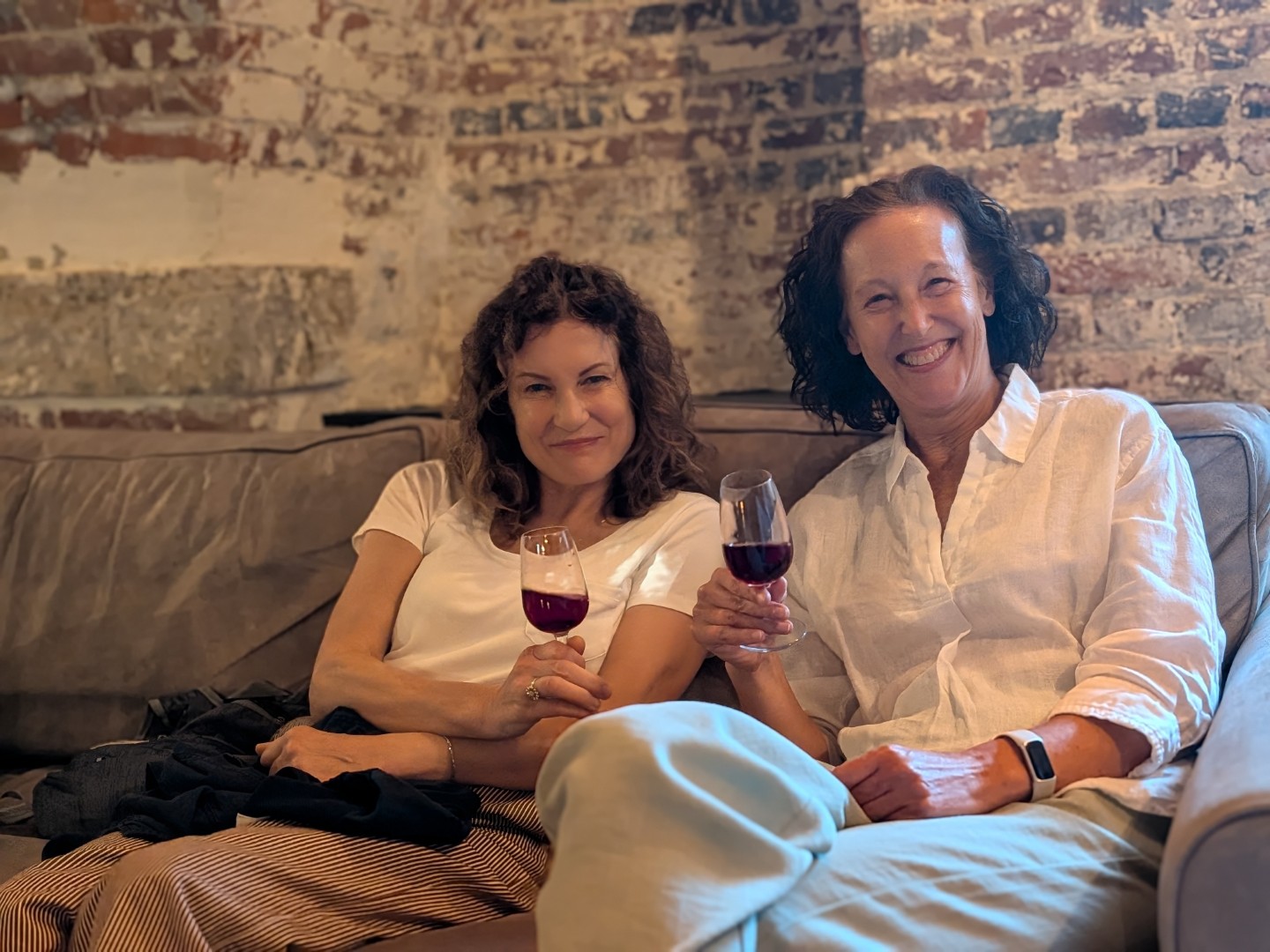
We’ll also have a bit of fun! In addition to a private recital in the hall of the main house or on our new open-air stage (weather permitting!), we’ll explore the private gardens at Finchcocks, experience a local wine tasting, be able to go for beautiful Kentish countryside walks to Scotney castle and enjoy a session or two in the family’s new heated swimming pool.
And of course, it goes without saying that you can expect the usual!
Guests will:
- Have the chance to play in and observe multiple performance masterclasses.
- Will receive one-to-one lessons with Graham.
- Enjoy access to play on our 9 grand pianos anytime between 7am and 8pm. (There are enough pianos to go round that everyone can play a piano at any given time.)
- Experience a private walk-through performance talk for course participants in the main hall of the family home, performed by Graham.
- Join and socialise with a group 8 fellow piano enthusiasts during lunch and dinner.
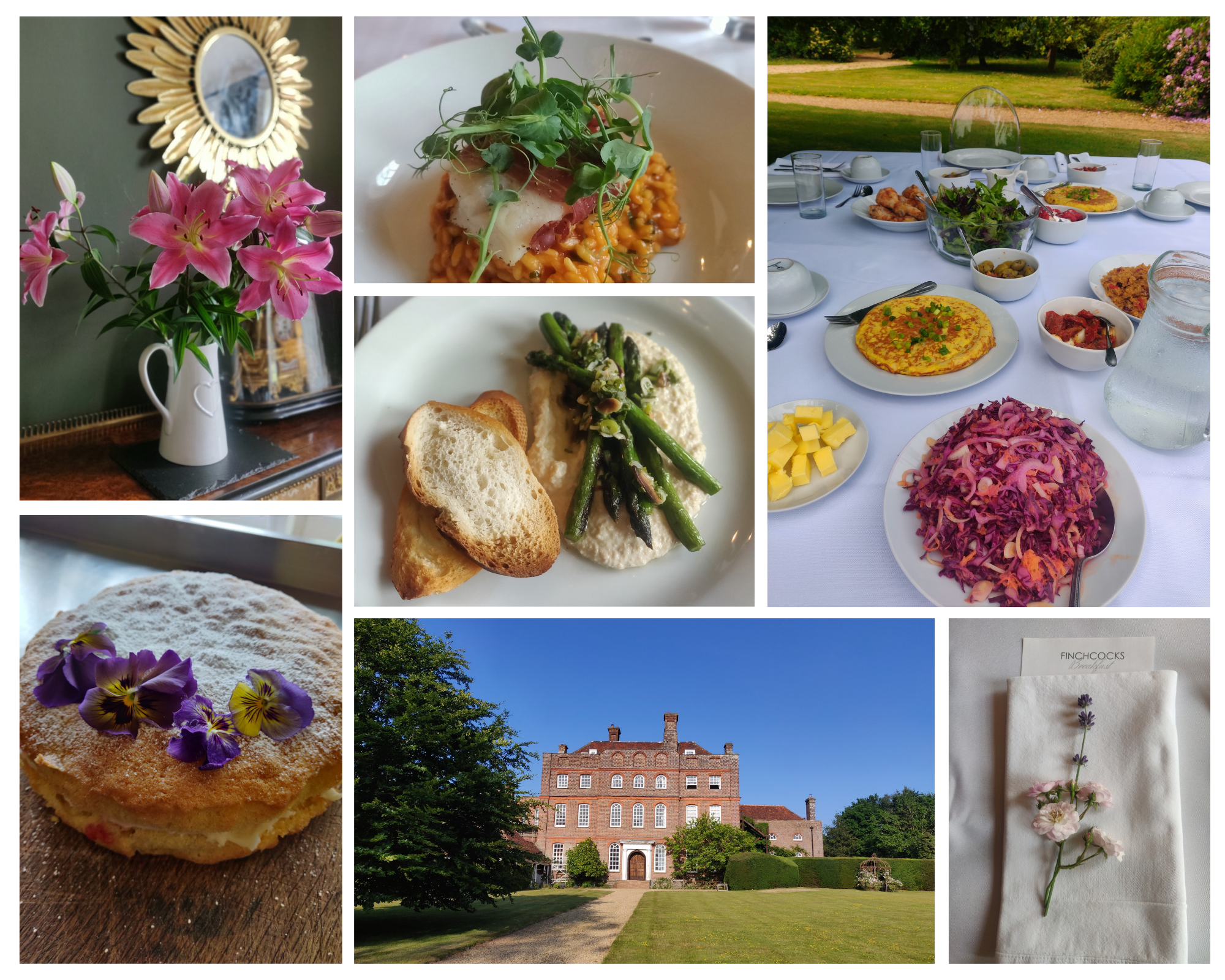
- Dine in style with lunches and three course dinners prepared by our fabulous chef.
- Experience the Finchcocks bubble, hailed as a “paradise for pianists” by BBC Music Magazine and stay in a grade 1 listed country manor.
Plus ones are very welcome on our courses, with a room surcharge dependant on whether they are a playing or non-playing guest. Please ask for further details.
This is a UK-based gem of a piano holiday and one that you won’t forget anytime soon! Many guests continue friendships made on these courses, encouraging each other on in the piano playing… and bumping into each other again on future courses!
For booking enquiries, please fill in the form below.
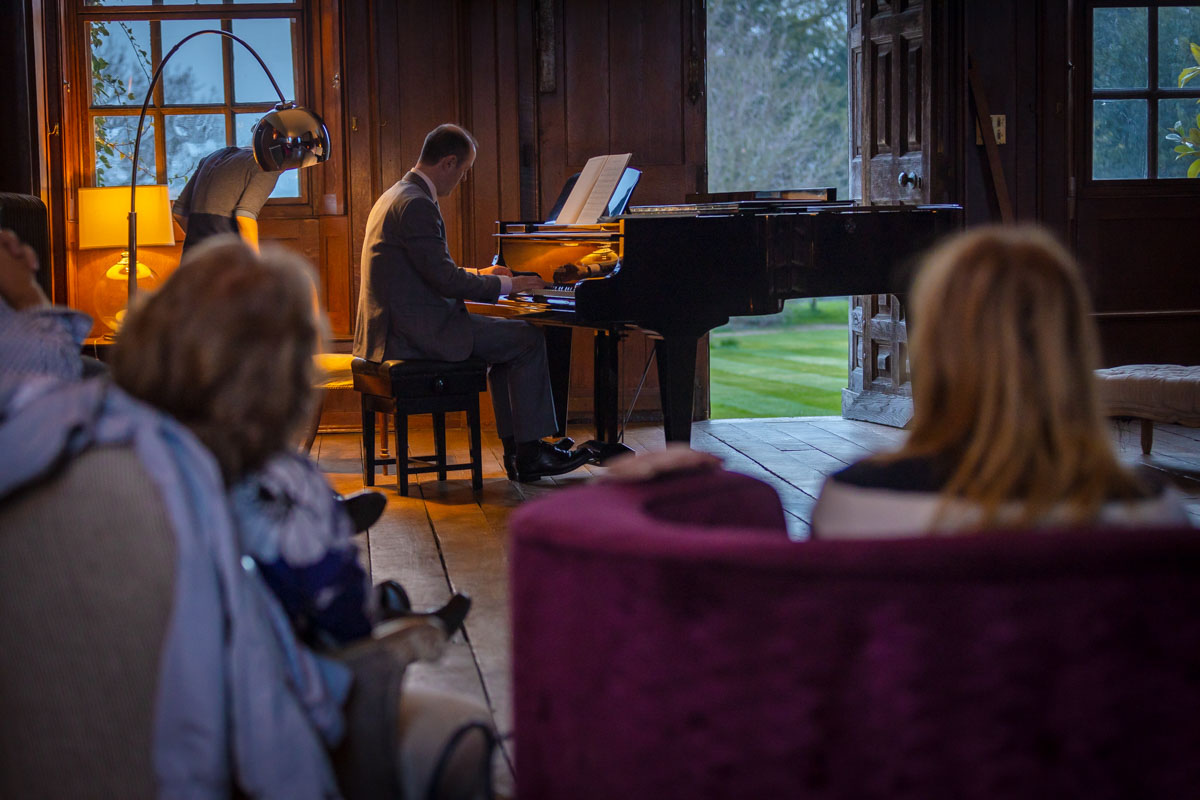
Evening recital at Finchcocks
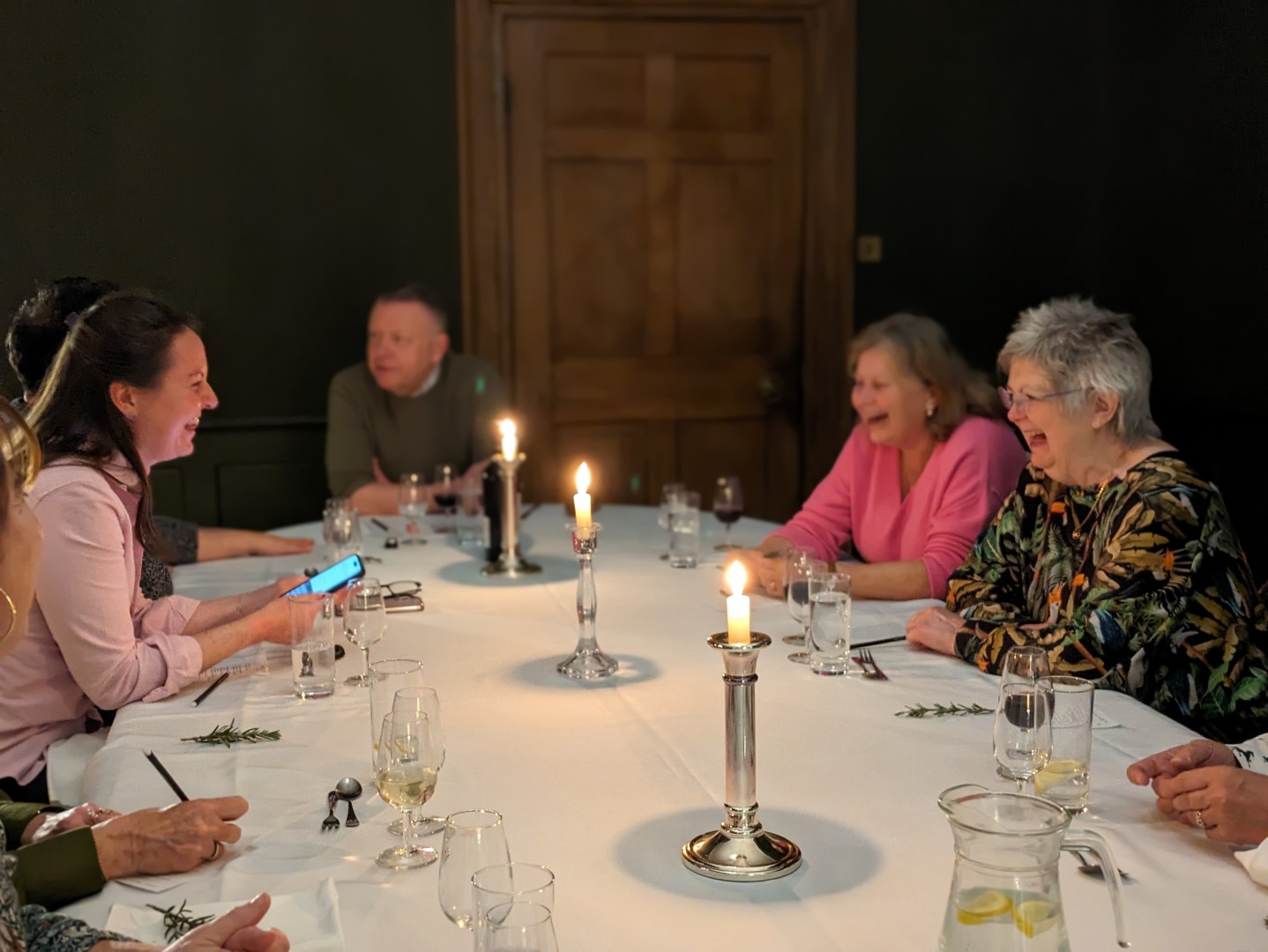
5-day courses
from £1600 (inclusive of accommodation, tuition and all food and wine)
...